Updated:
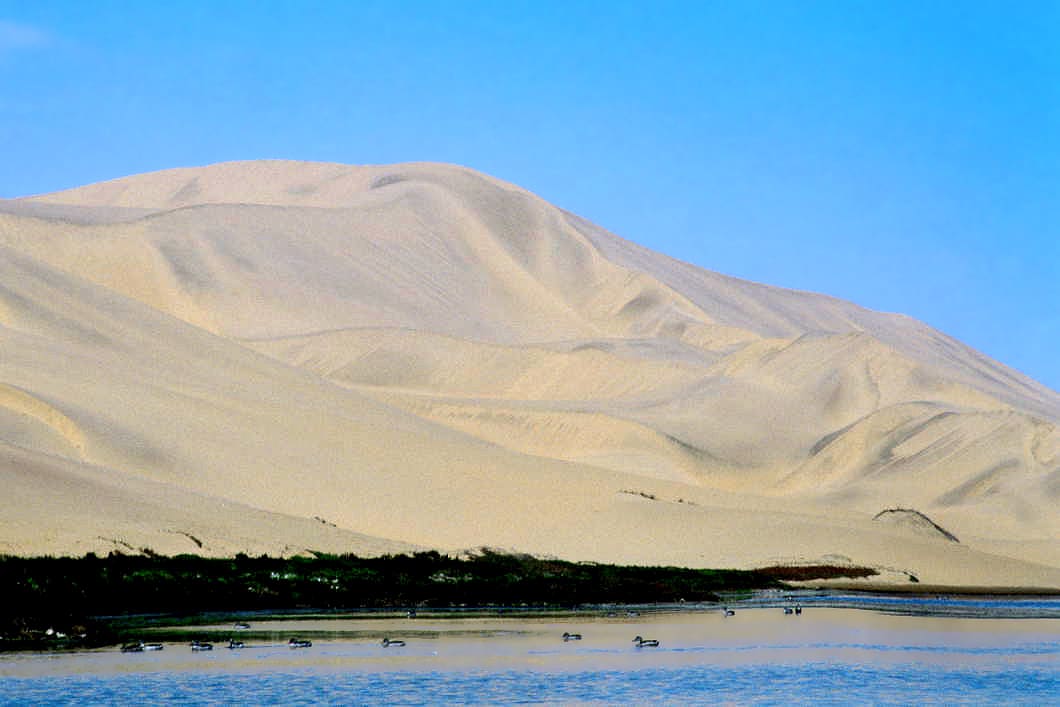
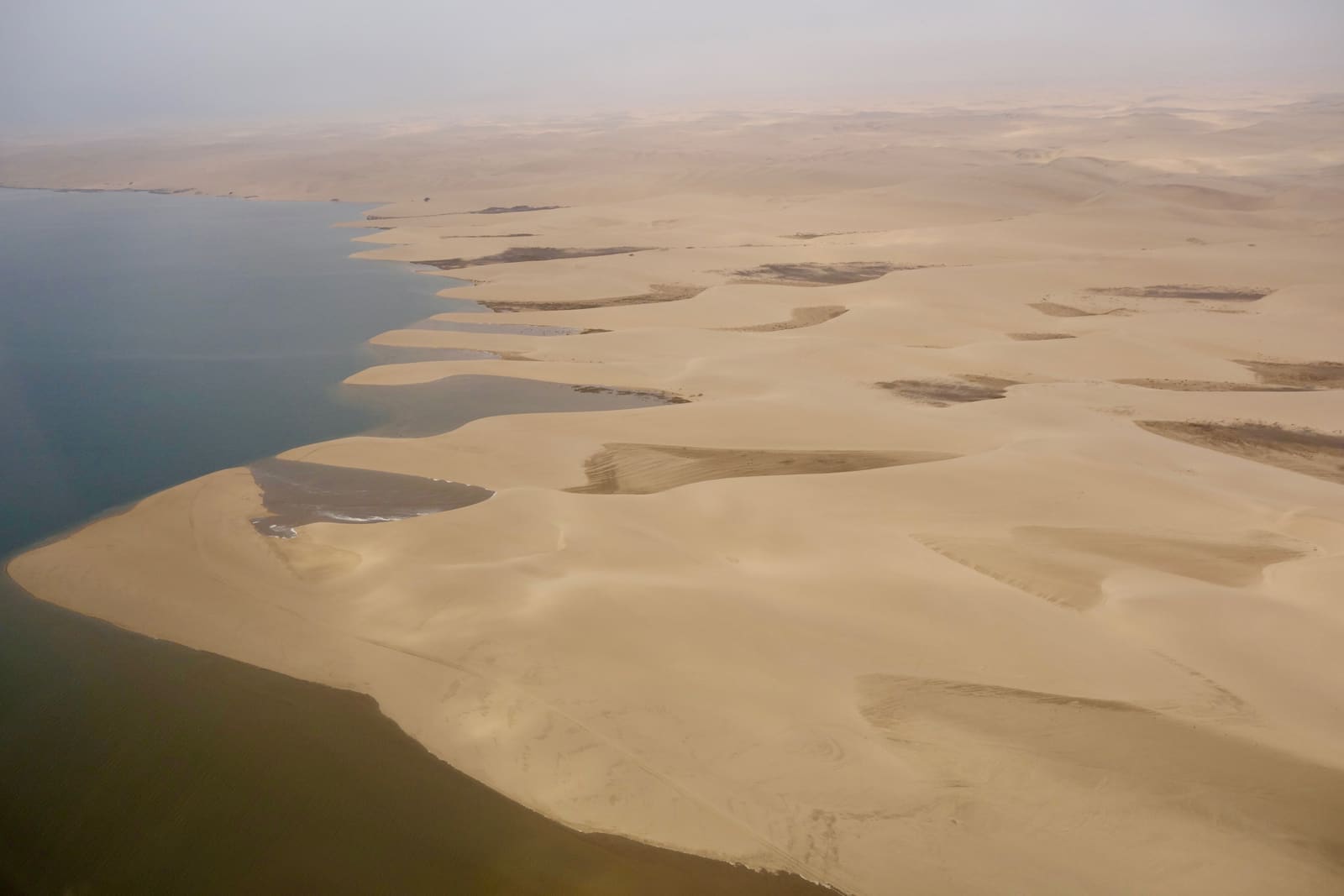
Sandwich Harbour is a lagoon and dune landscape on the Atlantic coast of Namibia, about 55 km south of Walvis Bay, inside the Namib-Naukluft National Park. It is famous for the extraordinary sight of towering sand dunes rising straight out of the ocean, and for the rich birdlife of its wetland. This guide covers everything you need to plan the perfect visit.
What is Sandwich Harbour?
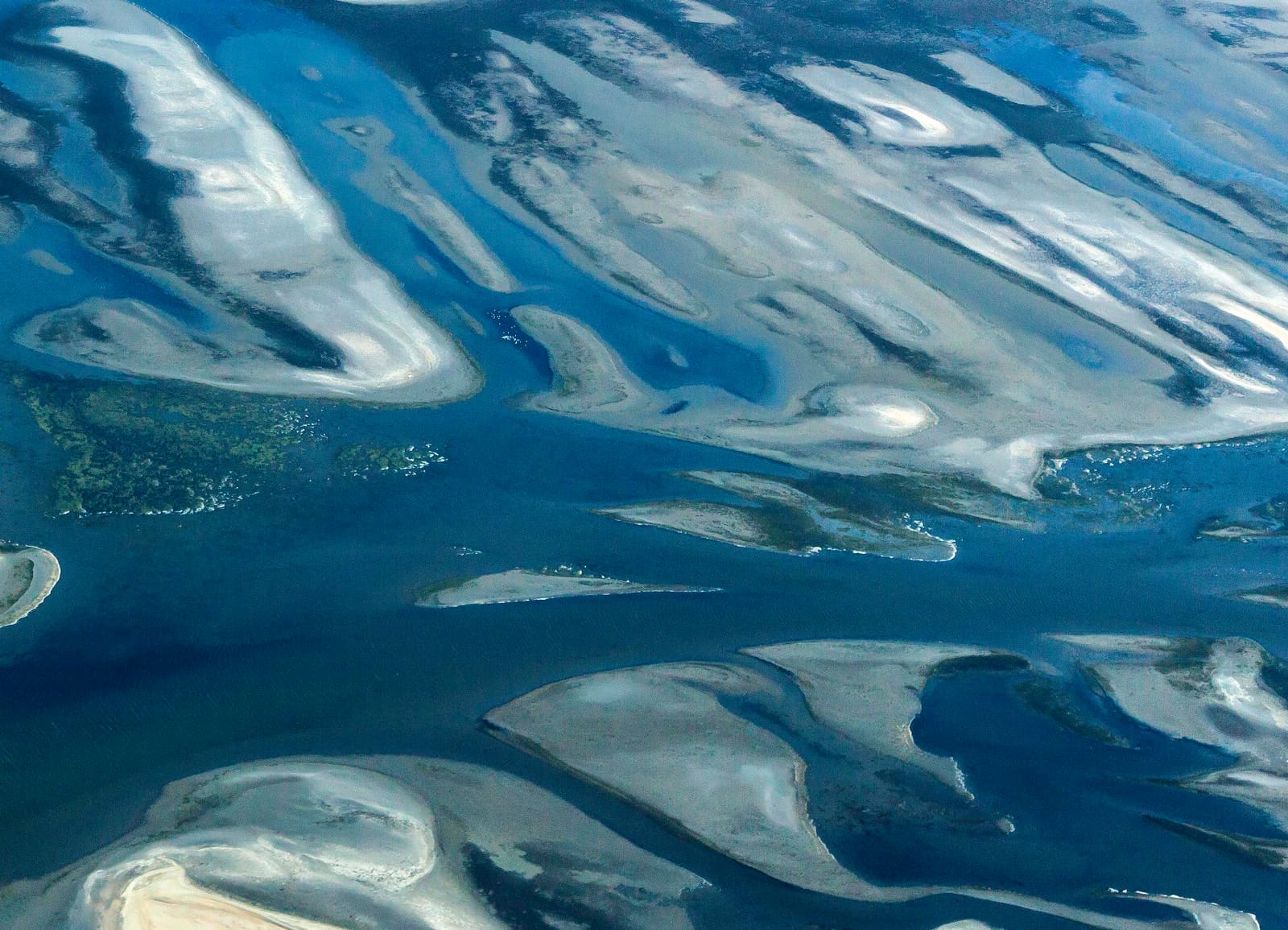
Sandwich Harbour (sometimes called Sandwich Bay) is a small, shallow lagoon sheltered by a sand spit at the northern edge of the Namib Sand Sea. Fresh water seeping underground from the interior emerges at the foot of the dunes, sustaining reed beds and salt marshes in the middle of the desert. The area is a Ramsar wetland of international importance and part of the Namib Sand Sea UNESCO World Heritage Site.
For travellers, “Sandwich Harbour” usually means the whole experience: the 4x4 drive from Walvis Bay, the beach where the dunes meet the waves, the dune-top viewpoints over the lagoon and the wildlife along the way.
A short history
For centuries the sheltered bay was a stopping point for European and American whalers and sealers, and in the 19th century it hosted a small fishing, trading and guano station — at times a rival to Walvis Bay as an anchorage. Over the decades, drifting sand gradually closed off the harbour, and the station was abandoned in the early 20th century. Occasionally the dunes still reveal remains of old buildings. Today the only visitors are birds, jackals and tour vehicles.
The name’s origin is uncertain: it may come from a whaling ship called Sandwich or from a mangled version of the word for sandfish.
Sandwich Harbour can only be reached by 4x4 with an experienced guide. Compare top-rated half-day, sunset and full-day tours from Walvis Bay and Swakopmund — most include park fees, hotel pickup and free cancellation.
Check availability →Nature and wildlife
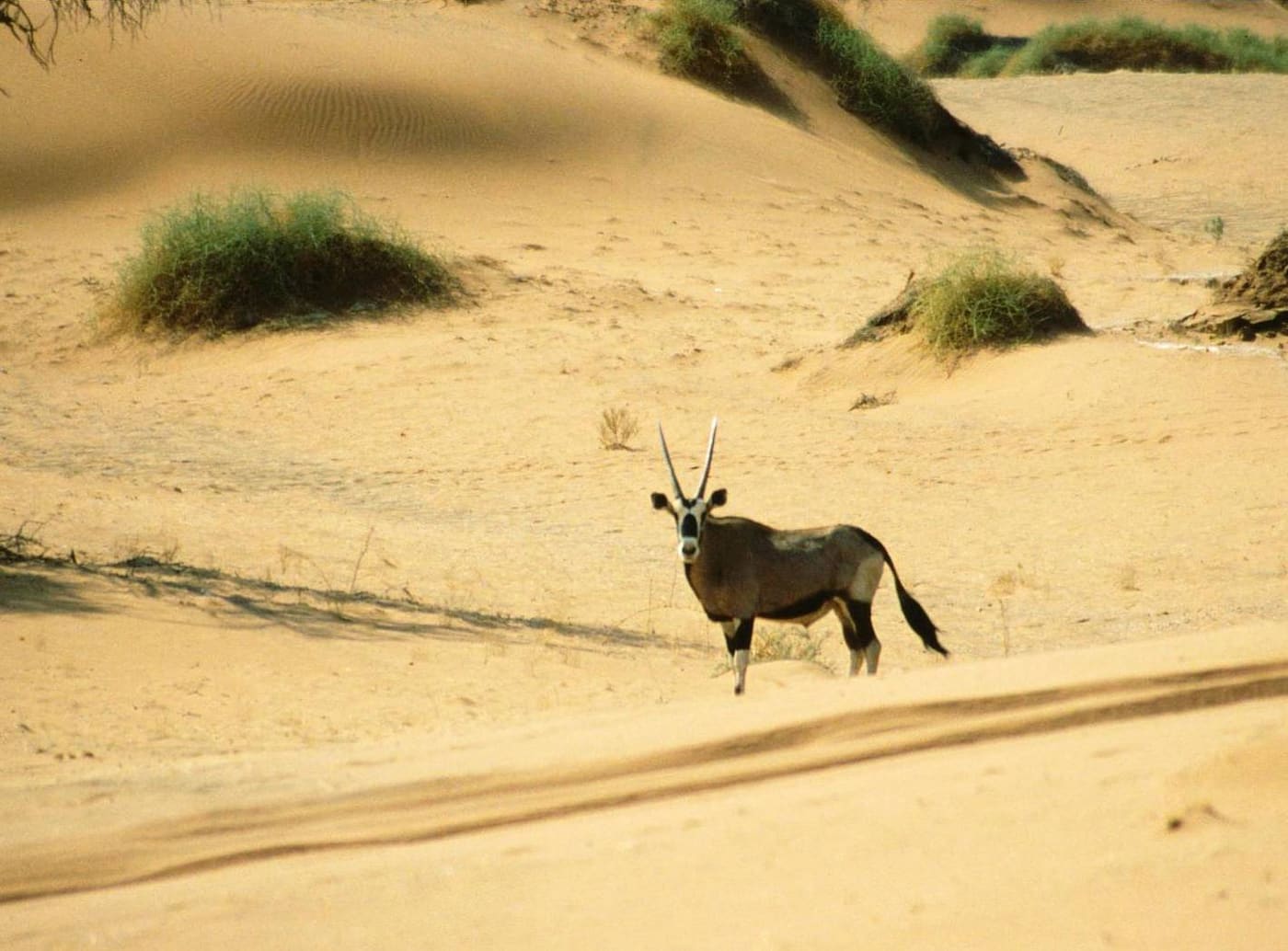
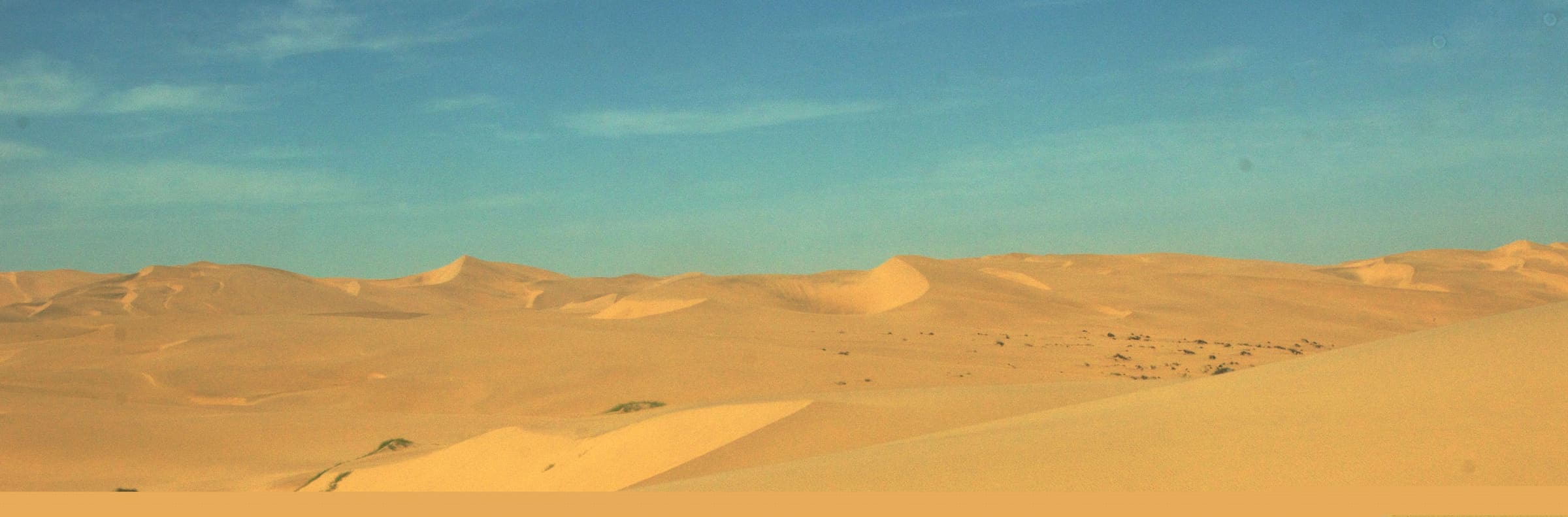
The Namib is often described as the oldest desert on Earth, and its coastal dunes support a surprising range of life:
- Birds: greater and lesser flamingos, great white pelicans, cormorants, Damara terns, chestnut-banded plovers and huge flocks of migrating waders (especially October–April).
- Mammals: oryx (gemsbok), springbok, black-backed jackals and the elusive brown hyena; Cape fur seals on the beaches.
- Small desert life: Namaqua chameleons, Palmato geckos, sidewinder adders and the dancing white lady spider — the “Little Five”.
- Plants: dune grasses, !nara melons in the Kuiseb delta and, further inland, the ancient welwitschia.
What happens on a Sandwich Harbour tour?
- Pickup in Walvis Bay (or Swakopmund) in a 4x4, usually a Land Cruiser or Land Rover seating 6–8 guests.
- Walvis Bay Lagoon: a stop to watch flamingos and pelicans.
- Salt works: drive between the vast evaporation ponds, some tinted pink.
- Park gate & Kuiseb delta: tyres are deflated, and the adventure begins across the dry river delta.
- Beach or dunes: at low tide you drive the beach between the dunes and the surf; otherwise the route climbs over the dunes.
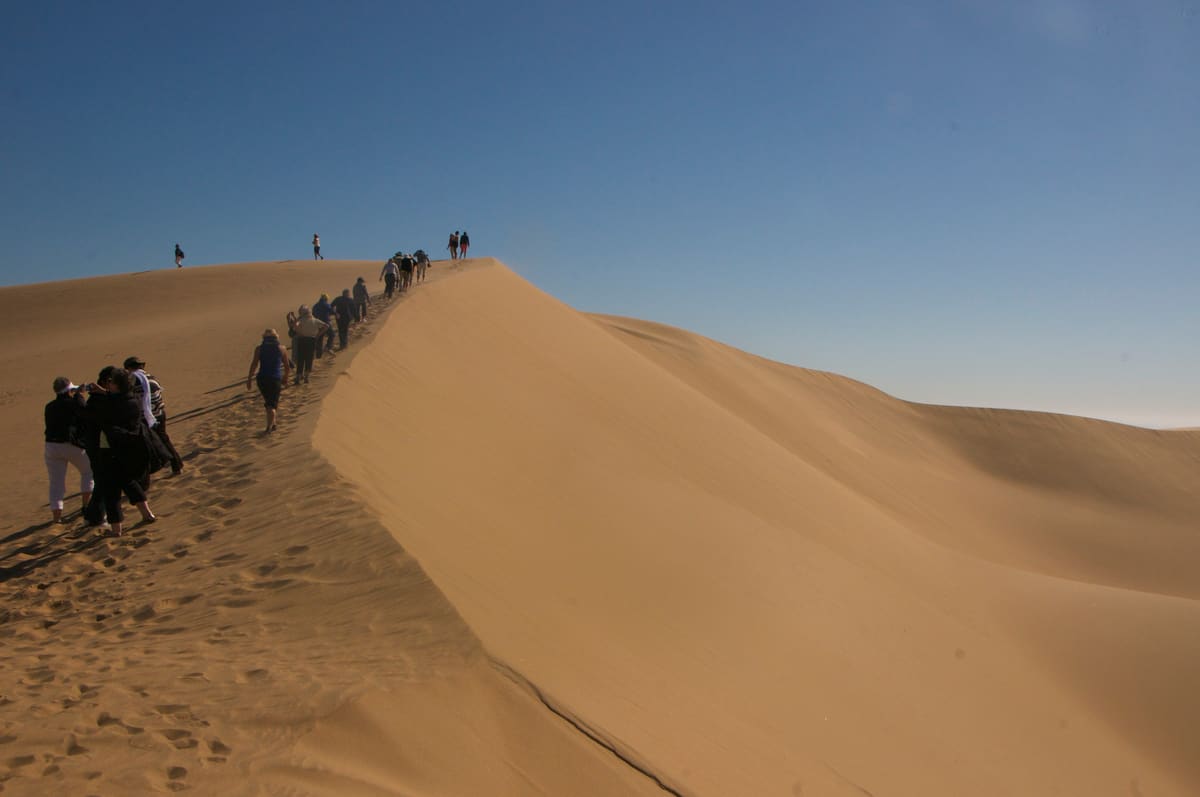
- Viewpoints: time on the dune crests above the lagoon — the classic photo.
- Dune driving & snacks: a roller-coaster ride through the dunes followed by drinks, oysters or lunch.
- Return to Walvis Bay about 4–5 hours (half-day) or 7–8 hours (full-day) after pickup.
How much does it cost?
| Tour type | Typical price (per person) |
|---|---|
| Half-day 4x4 (4–5 h) | US$127–190 |
| Sunset tour | US$137–150 |
| Full-day with lunch (7 h) | US$205–230 |
| Kayak or cruise combo (8 h) | US$265–380 |
| Private tour | from ≈US$320 |
Prices usually include park fees, snacks/drinks and pickup in Walvis Bay. Tipping your guide (around 10%) is appreciated. Other costs on the coast: mid-range hotels US$80–200 per night, a restaurant dinner US$15–35.
What to wear and pack
- Layers: mornings can be 12 °C and foggy, afternoons 25 °C and sunny. A windproof jacket is essential.
- Sun protection: hat, sunglasses and sunscreen — the reflection off the sand is intense.
- Sand protection: buff or scarf, zip bags for electronics, a lens cloth.
- Footwear: comfortable shoes or sandals; many people go barefoot on the dunes.
- Extras: binoculars, cash for tips, motion-sickness tablets if you are prone.
Photography tips
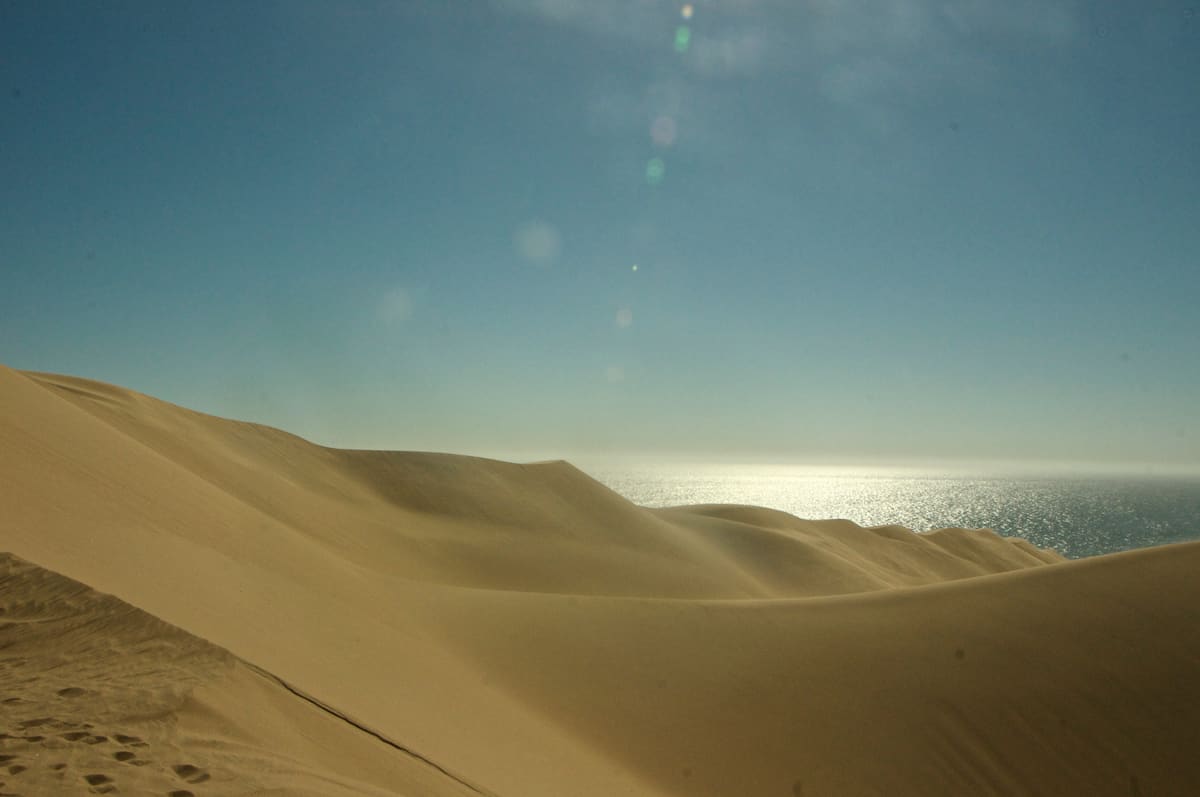
- The classic shot is from the dune crest looking south over the lagoon, with the ocean on the right. A wide-angle lens (or phone’s 0.5×) captures it best.
- Include people or a vehicle on the crest for scale — the dunes look much smaller in photos than in reality.
- Side light in the morning or late afternoon brings out dune textures; midday light is flat.
- Use a telephoto (200 mm+) for flamingos and pelicans.
- Never change lenses in the wind on the dunes — do it inside the vehicle.
- Drones are not permitted in the national park without a permit.
Safety and responsible travel
- Always follow your guide on the dunes — slip faces can be steep and unstable.
- Don’t swim: the water is cold with strong currents and there are no lifeguards.
- Stay out of the wetland and keep your distance from birds, seals and nesting areas.
- Take all litter back with you, and stick to existing vehicle tracks — dune ecosystems recover slowly.
- Travellers with back or neck problems, and pregnant women, should avoid intense dune driving.
Suggested coast itineraries
1 day (e.g. cruise stop)
Half-day Sandwich Harbour 4x4 tour in the morning, lunch at the Walvis Bay Waterfront, flamingos on the lagoon promenade in the afternoon.
2 days
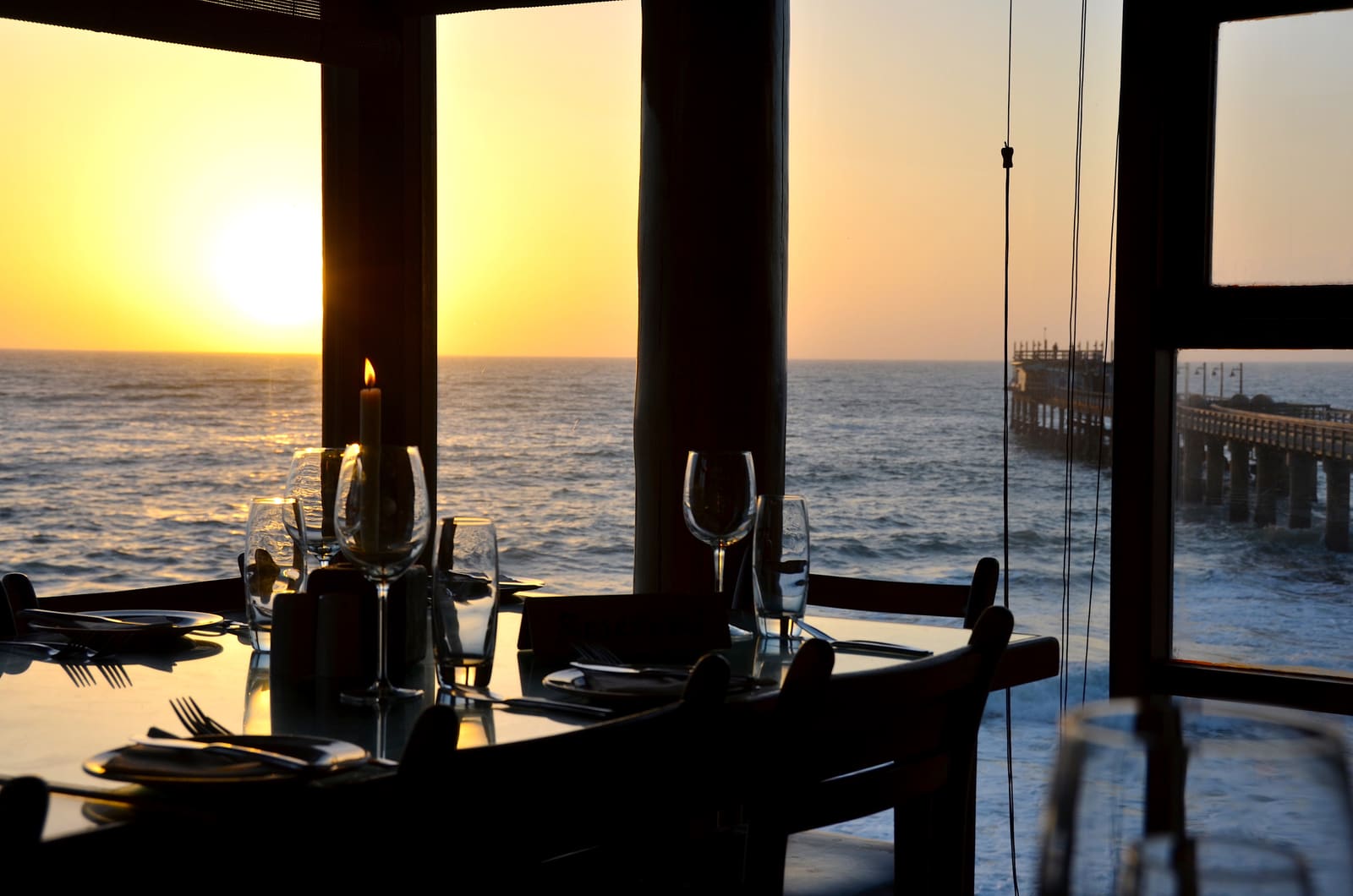
Day 1: kayaking with seals at Pelican Point or a dolphin cruise in the morning, sunset at the lagoon. Day 2: Sandwich Harbour 4x4 tour, evening in Swakopmund with dinner on the jetty.
3 days
Add a Living Desert tour or sandboarding in Swakopmund, climb Dune 7, or take a scenic flight over the Namib Sand Sea and Sossusvlei.
Beyond Sandwich Harbour
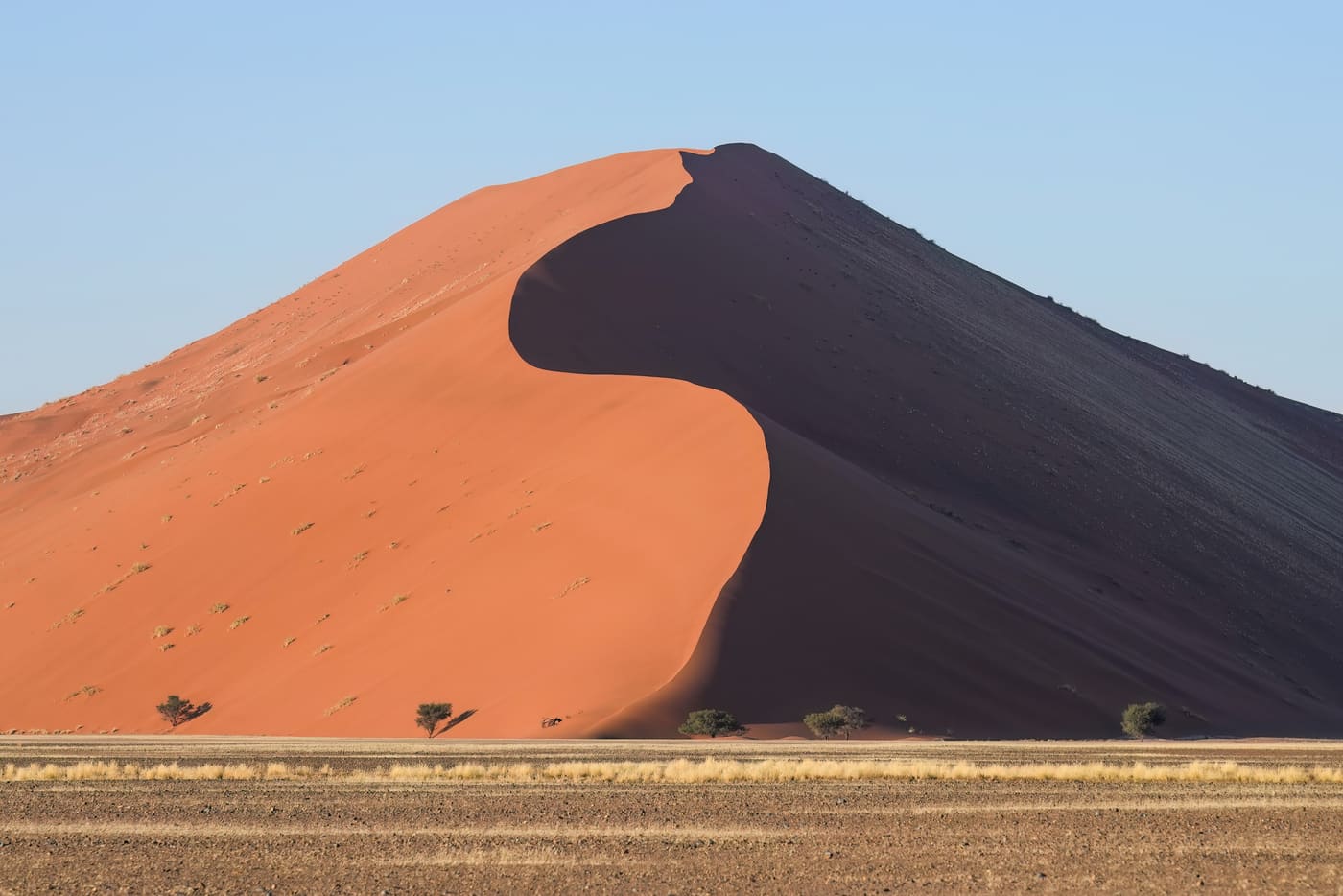
The coast makes a perfect stop on a wider Namibia road trip: Sossusvlei and Deadvlei (about 5 hours south-east), the Skeleton Coast and Cape Cross seal colony to the north, Spitzkoppe and Damaraland inland, and Etosha National Park further north. Several multi-day tours from Windhoek include Sandwich Harbour as an optional activity.
Many overland routes continue into Botswana — via Windhoek and the Trans-Kalahari Highway, or north through the Caprivi — to reach the wetlands of the Okavango. Our Okavango Delta safari guide covers mokoro trips, lodges and how to get to Maun.